
Over 60 percent of American marketing agencies now rely on automation tools to simplify complex campaigns and reach more customers. As digital marketing grows more competitive, understanding how automation can transform workflows has become a priority. This article reveals how agencies sharpen strategy, improve results, and save valuable time with the latest automation technology while staying ahead in the American market.
Table of Contents
- Defining Marketing Automation For Agencies
- Types Of Automation Platforms And Tools
- Key Benefits For Florida Agencies And SMBs
- Workflow Setup: Integration And Customization
- Common Pitfalls And Cost Considerations
Key Takeaways
| Point | Details |
|---|---|
| Marketing Automation Enhances Efficiency | Agencies can streamline complex marketing workflows, reducing manual tasks and minimizing human error. |
| Customization is Key | Successful automation requires tailored workflows that address unique business objectives and customer journeys. |
| Cost Considerations are Critical | Organizations must evaluate total costs and implementation complexities to ensure successful adoption of automation tools. |
| Integration Across Channels is Essential | Consistent messaging and performance monitoring across digital platforms will optimize customer engagement and effectiveness. |
Defining Marketing Automation for Agencies
Marketing automation represents a powerful technological solution that transforms how agencies manage their digital marketing strategies. At its core, marketing automation is a software category designed to streamline and automate complex marketing workflows, enabling agencies to operate with unprecedented efficiency and precision.
The fundamental purpose of marketing automation goes beyond simple task management. It encompasses a comprehensive approach to managing lead generation, customer segmentation, nurturing relationships, and measuring campaign performance across multiple digital channels. Sophisticated automation technologies help marketing teams plan, coordinate, and track results with minimal manual intervention, reducing human error and maximizing productivity.
For agencies, marketing automation offers several critical advantages. These include:
- Scalable Process Management: Automatically handle repetitive tasks like email campaigns, social media posting, and lead tracking
- Advanced Segmentation: Create targeted marketing strategies based on detailed customer behavior and interaction data
- Performance Analytics: Generate real-time insights into campaign effectiveness and return on investment
- Personalized Customer Journeys: Design intricate, automated communication pathways that adapt to individual customer interactions
By leveraging marketing automation, agencies can transform their operational capabilities, delivering more personalized, timely, and effective marketing solutions for their clients while simultaneously reducing operational overhead and improving overall strategic execution.
Types of Automation Platforms and Tools
Marketing automation platforms represent a diverse ecosystem of technological solutions designed to meet the unique needs of different business models and marketing strategies. These platforms can be categorized across multiple dimensions, including target market segments like B2B, B2C, small business, and mobile marketing automation, each offering specialized features to address specific marketing challenges.

The landscape of marketing automation tools is rich and varied, with platforms tailored to different organizational scales and complexity levels. Some tools like HubSpot provide comprehensive all-in-one solutions for businesses of all sizes, while others such as Marketo and Salesforce Pardot focus on more specialized enterprise and B2B marketing needs, enabling agencies to select platforms that precisely match their strategic requirements.
Key Categories of Marketing Automation Platforms:
- B2B Marketing Automation: Designed for business-to-business interactions, focusing on lead generation, account-based marketing, and complex sales cycles
- B2C Marketing Automation: Tailored for business-to-consumer engagement, emphasizing personalized customer journeys and direct consumer interactions
- Small Business Automation: Lightweight, cost-effective solutions that provide essential marketing workflow management
- Enterprise-Level Platforms: Robust systems with advanced segmentation, multi-channel integration, and comprehensive analytics
Understanding the nuanced differences between these platform types allows agencies to make strategic technology investments that directly support their unique marketing objectives and client needs. By carefully selecting automation tools aligned with their specific operational requirements, agencies can dramatically enhance their marketing efficiency, precision, and overall client outcomes.
Key Benefits for Florida Agencies and SMBs
Marketing automation delivers transformative advantages for Florida agencies and small to medium businesses, offering strategic solutions that dramatically enhance operational efficiency and competitive capabilities. By leveraging advanced technological platforms, local businesses can streamline complex marketing processes, reduce manual workload, and create more targeted, personalized customer experiences.
The core benefits of marketing automation extend far beyond simple task management. Florida agencies can expect significant improvements in lead generation, customer engagement, and overall marketing performance. These platforms enable businesses to automate repetitive tasks, implement sophisticated segmentation strategies, and track campaign performance with unprecedented precision and real-time analytics.
Key Advantages for Florida Businesses:
- Operational Efficiency: Reduce time spent on manual marketing tasks by up to 30%
- Personalized Marketing: Create highly targeted campaigns based on detailed customer behavior
- Cost Optimization: Minimize marketing expenses while maximizing return on investment
- Enhanced Lead Nurturing: Develop sophisticated, automated communication pathways
- Performance Tracking: Access comprehensive, real-time analytics for continuous improvement
For Florida small businesses and agencies, marketing automation represents more than just a technological upgrade. It is a strategic investment that empowers organizations to compete more effectively in a rapidly evolving digital marketplace, transforming how they engage with customers, manage resources, and drive sustainable growth.
Workflow Setup: Integration and Customization
Marketing automation workflow setup represents a strategic process of integrating multiple digital channels and communication touchpoints, requiring careful planning and thoughtful implementation to maximize organizational efficiency. The goal is creating a seamless, interconnected system that allows businesses to communicate consistently across email, social media, website interactions, and customer relationship management platforms.
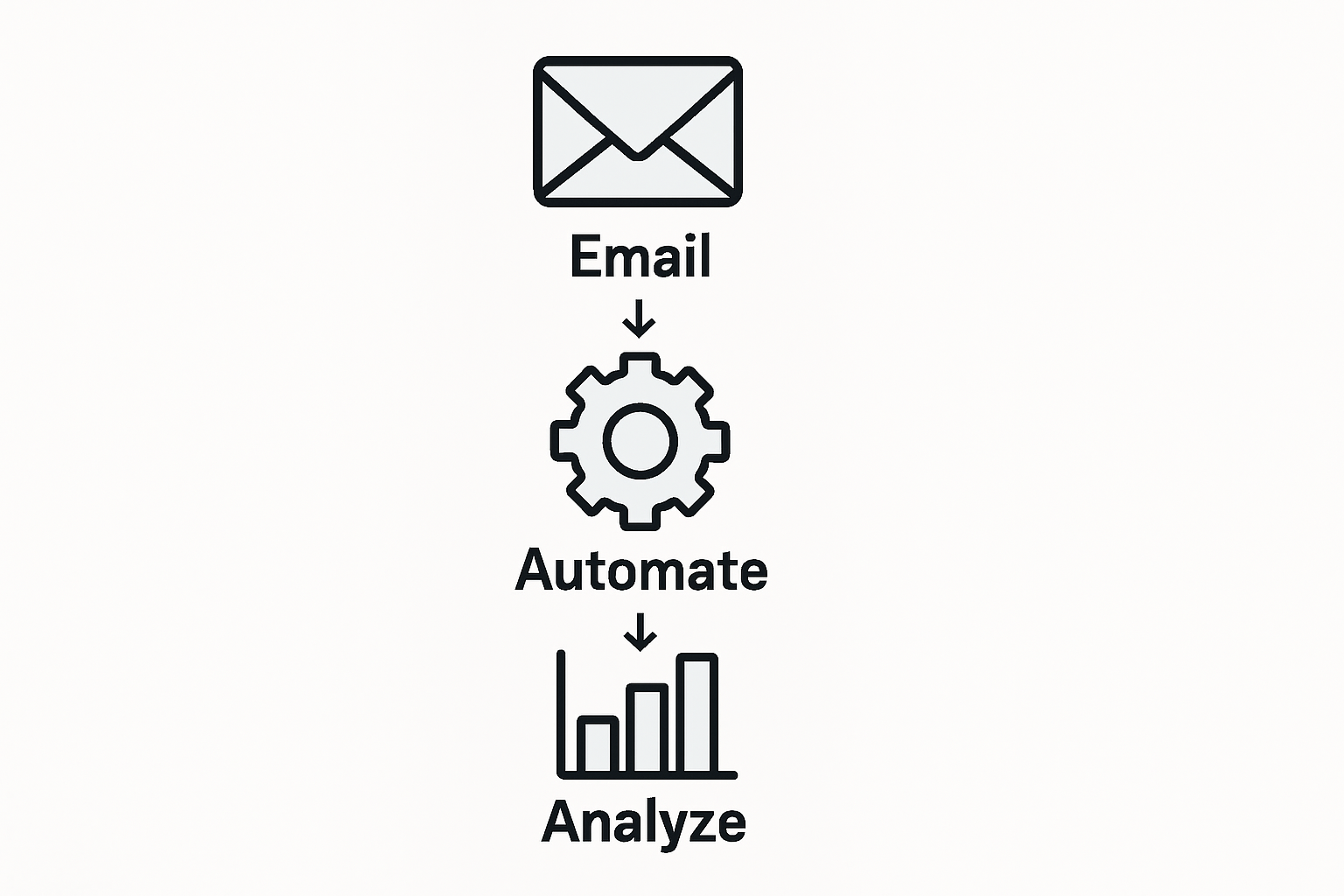
Successful workflow customization demands a comprehensive understanding of an organization’s unique marketing objectives, target audience characteristics, and existing technological infrastructure. Agencies must approach workflow design as a nuanced process of mapping customer journeys, identifying critical interaction points, and developing automated responses that feel personalized and contextually relevant.
Key Workflow Integration Strategies:
- Cross-Channel Synchronization: Ensure consistent messaging across all digital platforms
- Trigger-Based Automation: Design workflows that respond dynamically to specific customer behaviors
- Segmentation Precision: Create granular audience groups for targeted communication
- Data Flow Management: Establish smooth information transfer between different marketing tools
- Performance Monitoring: Implement real-time tracking and analytics mechanisms
By developing carefully constructed marketing automation workflows, businesses transform complex marketing processes into streamlined, intelligent systems that adapt and respond to changing customer interactions with remarkable efficiency and precision.
Common Pitfalls and Cost Considerations
Marketing automation investments require strategic evaluation of potential challenges and financial implications, ensuring businesses understand both the transformative potential and potential risks associated with these technological solutions. While automation platforms promise significant operational improvements, organizations must carefully navigate complex implementation challenges and associated costs.
Successful marketing automation demands addressing critical pitfalls that can undermine technological investments, including inadequate lead management, poor audience segmentation, and misalignment between sales and marketing teams. Small businesses and agencies must develop comprehensive strategies that go beyond simple tool selection, focusing on holistic integration and organizational readiness.
Critical Cost and Implementation Considerations:
- Platform Selection: Evaluate total cost of ownership, including setup, training, and potential customization expenses
- Technical Complexity: Assess internal team capabilities for platform implementation and ongoing management
- Integration Challenges: Understand potential compatibility issues with existing technological infrastructure
- Scalability Requirements: Ensure the chosen platform can grow with business needs
- Training Investment: Budget for comprehensive team education and skill development
By approaching marketing automation as a strategic investment rather than a simple technological upgrade, businesses can mitigate risks, control costs, and create a robust framework for sustainable digital marketing success.
Unlock Seamless Marketing Automation and Growth for Florida Agencies
The article highlights the challenges agencies face with complex marketing workflows, costly tool stacks, and the critical need for precise lead management and personalized customer journeys. If you are a Florida-based small or medium business looking to streamline your marketing automation, reduce operational overhead, and enhance local SEO performance, Nimblo.ai offers an all-in-one solution tailored to your needs. With features like AI-powered local SEO, automated follow-ups, and conversion-optimized web design, you gain scalable tools designed to accelerate lead generation while lowering expenses.
Experience powerful marketing automation that integrates CRM, SEO, and website management under one affordable platform. Say goodbye to juggling multiple expensive services and embrace a system built for SMB success in Florida’s competitive market.
Take control of your marketing workflows today by visiting Nimblo.ai’s all-in-one platform to see how easy setup and local expertise translate into measurable growth and cost savings.
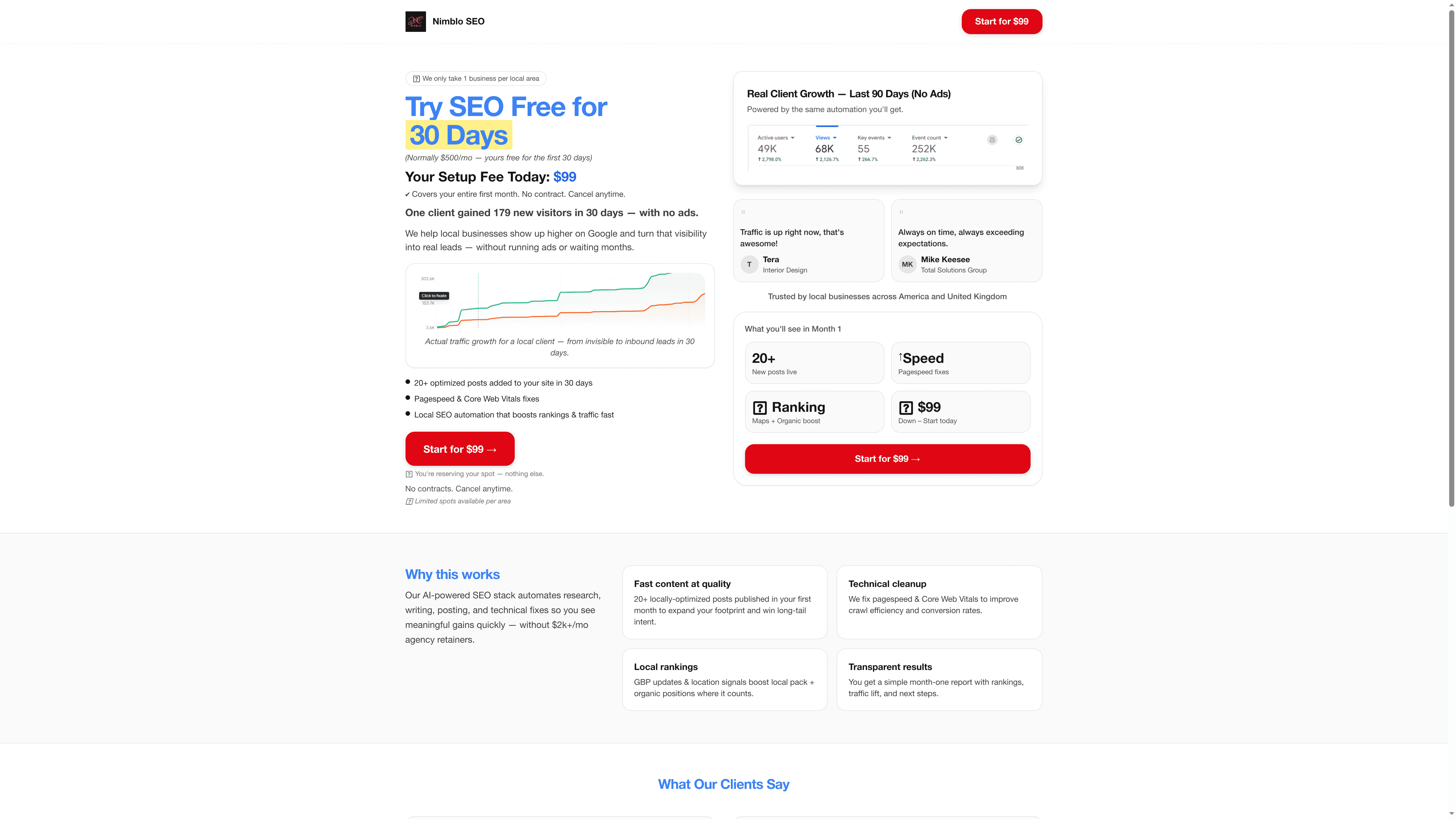
Ready to transform your agency’s marketing workflow with streamlined automation and local SEO advantages Discover more at Nimblo.ai’s complete solution and start driving impactful results now.
Frequently Asked Questions
What is marketing automation?
Marketing automation is a software solution designed to streamline and automate complex marketing workflows, helping agencies manage lead generation, customer segmentation, and campaign performance across multiple digital channels.
How can marketing automation benefit agencies?
Marketing automation can enhance operational efficiency, enable scalable process management, improve lead nurturing, and provide real-time performance analytics, allowing agencies to deliver personalized and effective marketing solutions for their clients.
What types of marketing automation platforms exist?
There are various types of marketing automation platforms, including B2B solutions for lead generation, B2C platforms for consumer engagement, small business tools for essential workflow management, and enterprise-level platforms for advanced analytics and multi-channel integration.
What should agencies consider when setting up marketing automation workflows?
Agencies should focus on cross-channel synchronization, trigger-based automation responsive to customer behaviors, precise audience segmentation, data flow management, and performance monitoring to create effective and personalized marketing automation workflows.
Recommended
- All-in-One Business Software for SMBs – Replace 5+ Tools with Nimblo
- Website Conversion Optimization Steps for Florida SMBs – Nimblo
- Nimblo — Business Automation Marketplace
- Florida SEO Agency Alternative – Better Results for $500/mo | Nimblo
- Understanding the Importance of Customer Communication – My WordPress